
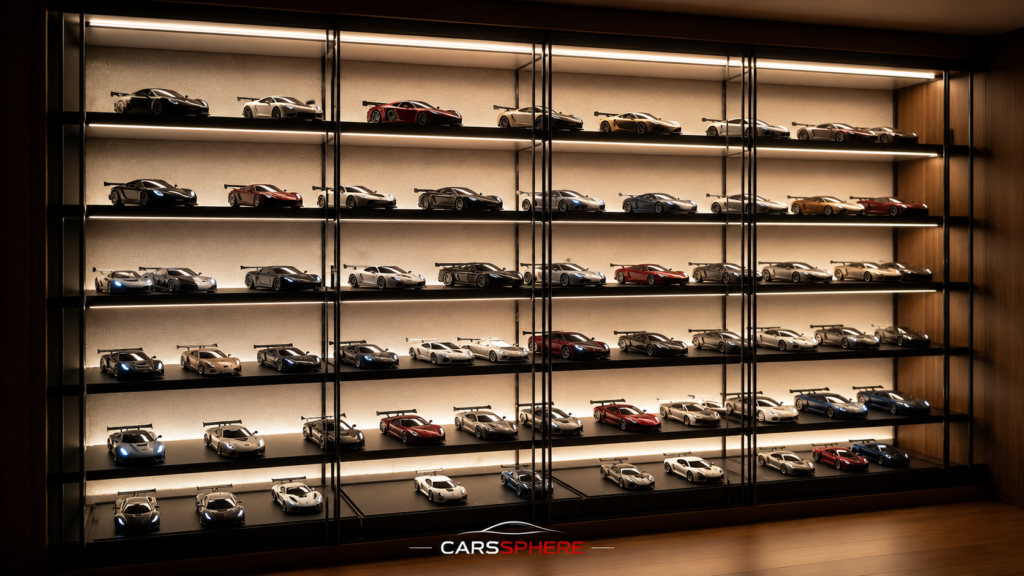
Learn how to take care of your die-cast car collection with expert cleaning, storage, display, and maintenance tips. Discover the best ways to protect miniature cars from dust, scratches, sunlight, and humidity while preserving their value for years.
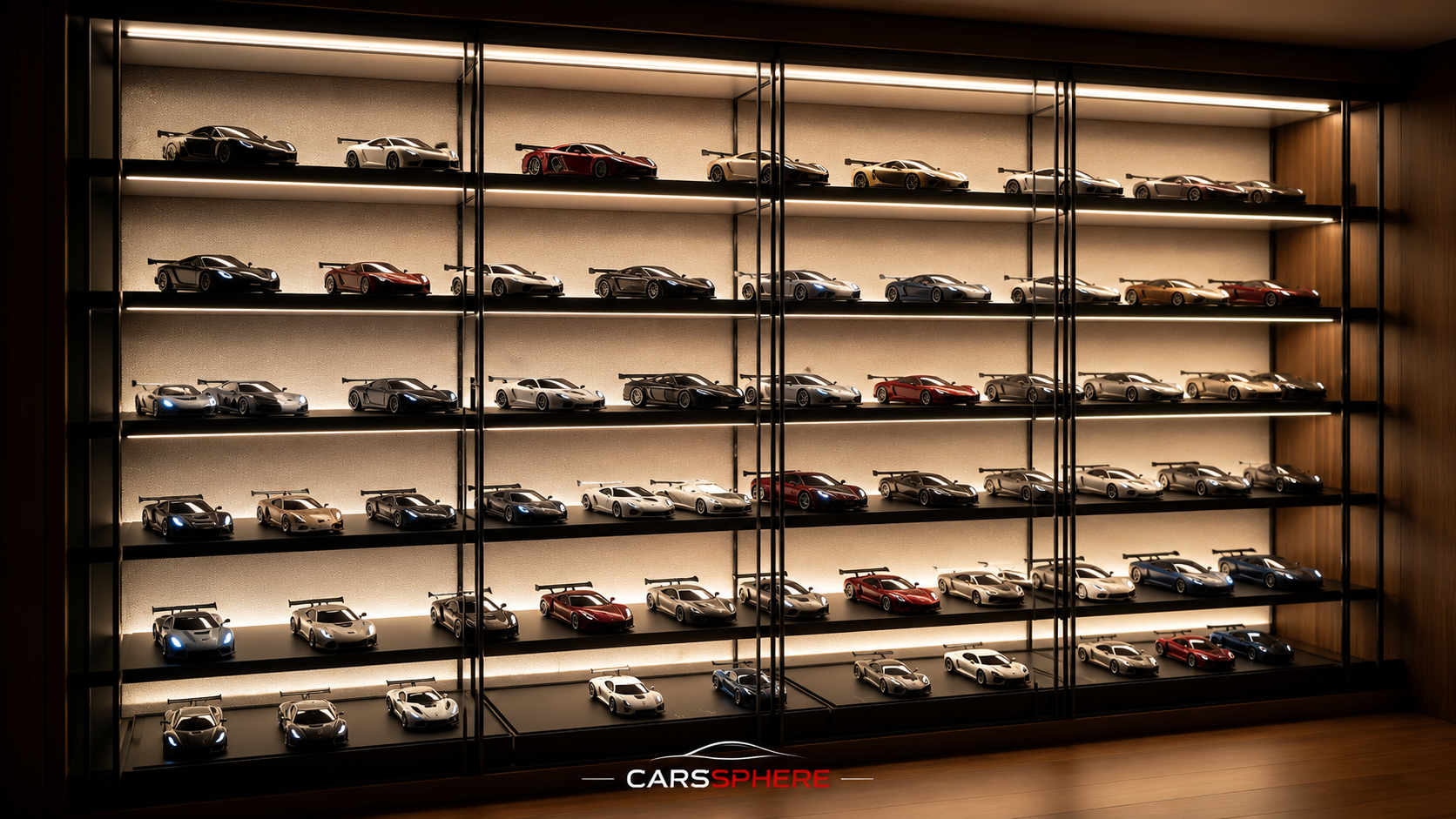
Building a die-cast car collection takes time, dedication, and passion. Whether you collect classic muscle cars, modern supercars, Formula 1 racers, or vintage automobiles, every model deserves proper care to maintain its beauty and value. Dust, humidity, direct sunlight, and improper handling can gradually damage paint, decals, chrome finishes, rubber tires, and delicate moving parts.
Many collectors invest in premium die-cast models, but proper maintenance is just as important as purchasing high-quality replicas. A well-maintained collection not only looks impressive on display but can also retain its collector value for years to come.
In this comprehensive guide, we’ll cover everything you need to know about cleaning, storing, displaying, transporting, and protecting your die-cast car collection so your miniature masterpieces remain in excellent condition.
Why Proper Die-Cast Car Care Matters
A die-cast model is more than just a miniature car. It is a detailed replica created with precision engineering, intricate paintwork, realistic interiors, and licensed branding. Even small amounts of dust or exposure to harsh environmental conditions can reduce its appearance over time.
Proper care helps:
- Preserve paint quality
- Prevent scratches
- Protect decals
- Reduce dust buildup
- Prevent rubber tire deterioration
- Maintain moving parts
- Increase long-term collectible value
- Keep display shelves looking clean and professional
Taking just a few minutes each month to maintain your collection can make a significant difference over the years.
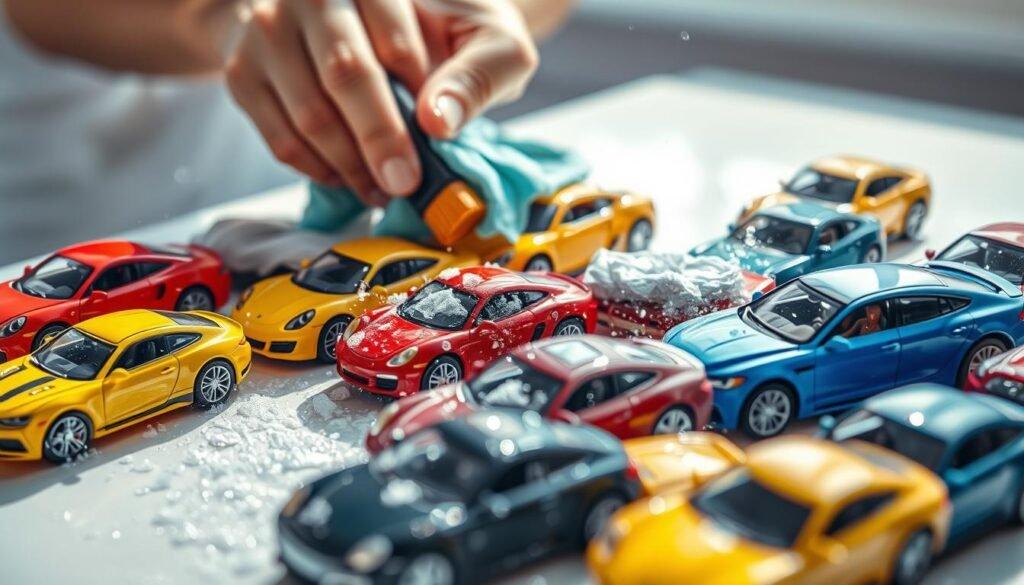
Understanding the Biggest Threats to Die-Cast Cars
Before learning how to protect your collection, it’s important to understand what can damage it.
Dust
Dust may seem harmless, but it can scratch paint if wiped carelessly. It also collects around wheels, mirrors, and panel gaps, making detailed models look dull.
Direct Sunlight
Ultraviolet (UV) rays can fade paint, discolor plastic parts, and weaken decals. Models displayed in sunny windows may lose their vibrant appearance over time.
Humidity
High humidity encourages corrosion on metal components and can damage packaging. Moisture may also affect decals and clear plastic display cases.
Heat
Excessive temperatures can warp plastic parts, loosen glue, and affect rubber tires. Always avoid placing your collection near heaters or in hot vehicles.
Improper Handling
Frequent touching with bare hands transfers natural oils to paint and windows. Delicate parts such as mirrors, antennas, spoilers, and windshield wipers are especially vulnerable to accidental damage.
How to Clean Your Die-Cast Cars Safely
Cleaning your models correctly is one of the best ways to keep them looking like new.
Step 1: Remove Loose Dust
Use a soft anti-static makeup brush or a camera lens brush to gently remove dust from the surface. Brush lightly around mirrors, grilles, wheels, and interior details.
Avoid applying pressure, especially on small accessories.
Step 2: Use a Microfiber Cloth
A clean microfiber cloth is ideal for wiping fingerprints and light dust from painted surfaces.
Never use paper towels or rough cloths, as they can create tiny scratches on glossy finishes.
Step 3: Clean Tight Spaces
Cotton swabs or soft detailing brushes work well for cleaning:
- Air vents
- Wheel rims
- Door gaps
- Engine bays
- Dashboard details
Avoid using excessive force.
Step 4: Avoid Harsh Chemicals
Never clean die-cast cars with:
- Alcohol
- Glass cleaner
- Household detergents
- Abrasive cleaners
- Strong solvents
These products can damage paint, decals, clear coats, and plastic windows.
Instead, use a slightly damp microfiber cloth if deeper cleaning is needed, ensuring no water enters moving parts.
How Often Should You Clean Your Collection?
Cleaning frequency depends on where your models are displayed.
Open Shelves
Dust lightly every one to two weeks and perform a more thorough cleaning monthly.
Glass Display Cabinets
Dust every four to six weeks, as enclosed displays significantly reduce dust buildup.
Boxed Collections
Inspect every few months to ensure there is no moisture, discoloration, or packaging damage.
Protecting Limited Edition Models
Limited editions deserve additional care.
Keep them in protective cases, avoid unnecessary handling, and retain all original accessories, certificates, and packaging. If you photograph them, use soft gloves when repositioning the models.
Collectors often value complete sets more highly than loose models.
Caring for Original Packaging
Many collectors overlook packaging, but boxes are part of the collectible.
Store boxes upright in a dry environment and protect them from sunlight and moisture. Flattening, tearing, or crushing the packaging can reduce the appeal of premium models for future buyers.