
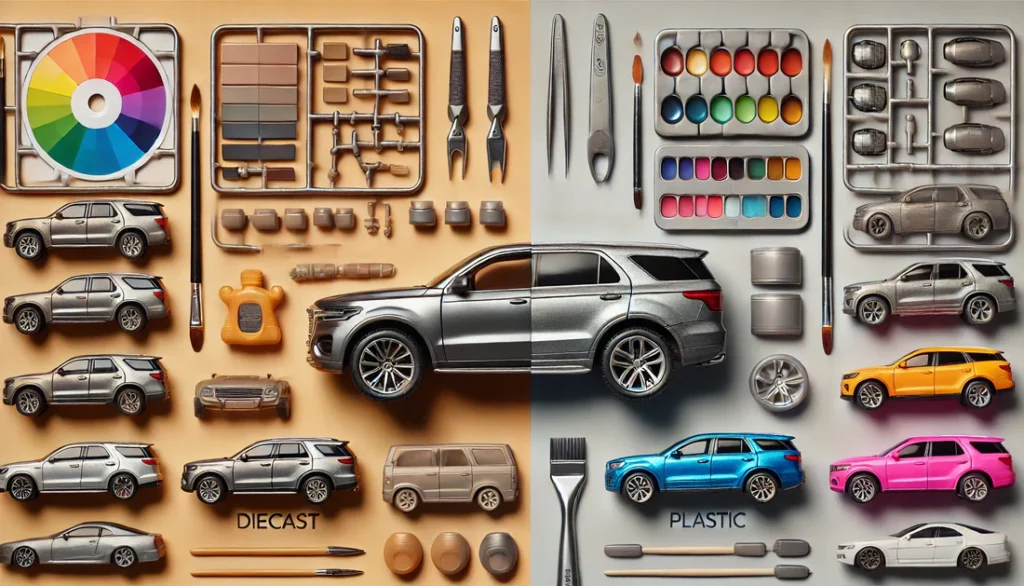
Whether you’re a beginner entering the world of miniature automobiles or a seasoned collector expanding your display, one question always comes up:
Should you buy die-cast cars or plastic models?
At first glance, both look similar. They represent real vehicles in miniature form and are available in countless brands, scales, and designs. However, once you dive deeper, you’ll discover that these two categories are built for completely different audiences.
Die-cast models are known for their realistic appearance, premium feel, and ready-to-display quality. Plastic models, on the other hand, appeal to hobbyists who enjoy assembling, painting, and customizing every tiny detail.
In this comprehensive guide, we’ll compare both types across every important factor—from build quality and durability to price, realism, customization, and long-term value—so you can confidently choose the one that best suits your interests.
What Are Die-Cast Cars?
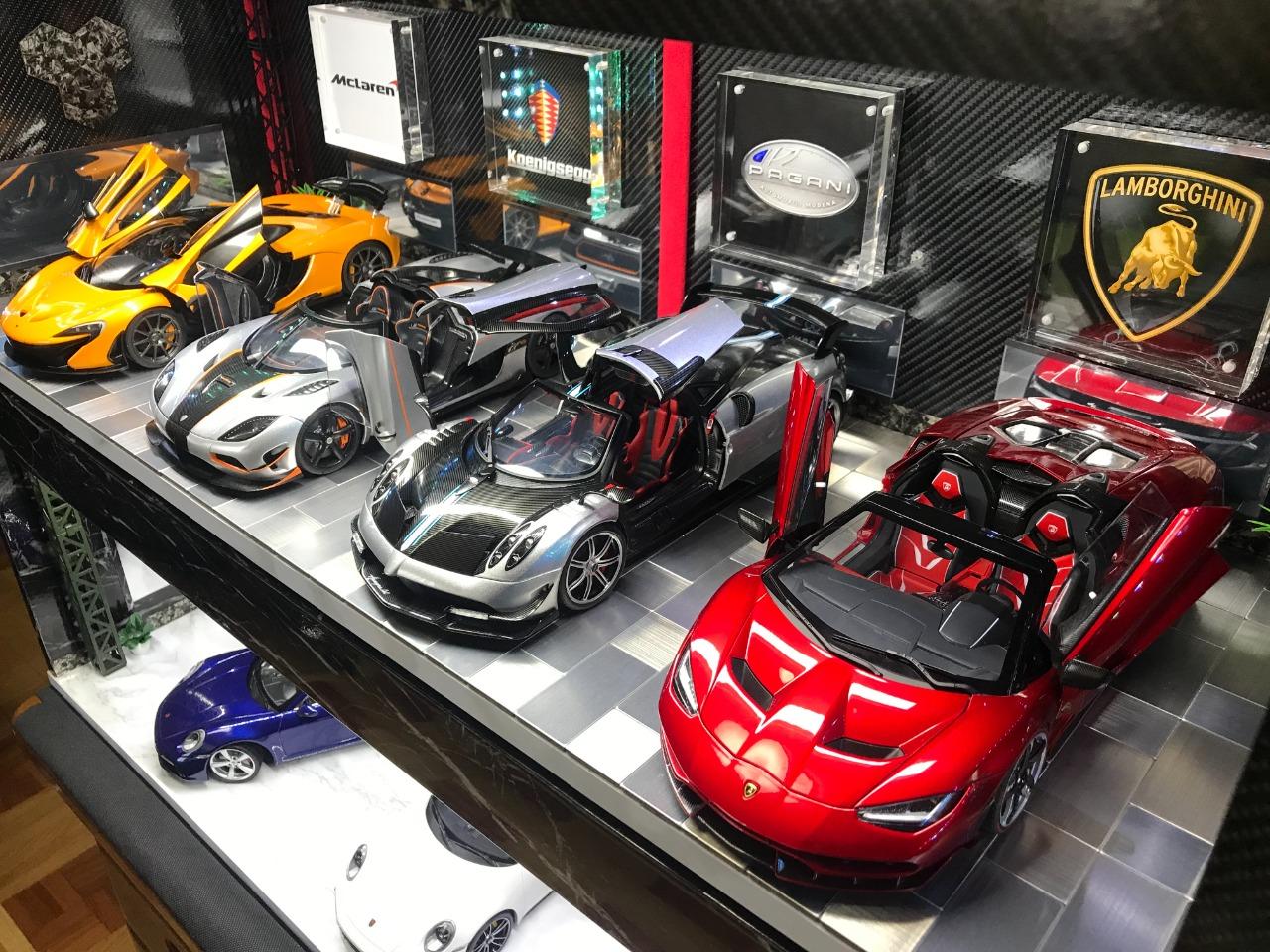
Die-cast cars are miniature replicas primarily made from zinc alloy metal using a specialized manufacturing process called die casting. They are highly valued for their realistic appearance, durable construction, and premium finish. Most die-cast models come fully assembled, allowing collectors to display them immediately without any additional work. Many premium models include opening doors, detailed interiors, rubber tires, and working steering, making them excellent display pieces. Their combination of quality craftsmanship and collectible value has made them a favorite among enthusiasts worldwide.
What Are Plastic Models?
Plastic models are scale replicas that come as unassembled kits, giving hobbyists the opportunity to build the model from scratch. Unlike die-cast cars, these kits require glue, paint, decals, and patience to achieve a finished product. The assembly process allows builders to add personal touches, custom paint schemes, and unique modifications that make each model one of a kind. While building a plastic model takes time and skill, many enthusiasts find the creative process just as enjoyable as displaying the completed vehicle. They are perfect for those who love hands-on hobbies.
Build Quality and Durability
One of the biggest differences between die-cast cars and plastic models is their overall durability. Die-cast cars feature a metal body that makes them sturdier and more resistant to minor impacts, allowing them to last for many years with proper care. Plastic models, although detailed, are generally more delicate and can be damaged if dropped or handled roughly. Small components like mirrors, spoilers, and antennas are particularly vulnerable to breaking. If long-term durability is your priority, die-cast models offer a clear advantage.
Quick Comparison Table
| Feature | Die-Cast Cars | Plastic Models |
|---|---|---|
| Material | Metal | Plastic |
| Ready to Display | ✅ Yes | ❌ No |
| Assembly Required | No | Yes |
| Durability | Excellent | Moderate |
| Weight | Heavy | Light |
| Customization | Limited | Excellent |
| Factory Finish | Excellent | Depends on Builder |
| Display Quality | Outstanding | Good after Assembly |
| Learning Curve | Easy | Moderate to Advanced |
| Best For | Collectors | Hobby Builders |
Die-Cast Cars vs Plastic Models: Detailed Comparison
1. Material
Die-Cast Cars
- Mainly zinc alloy metal
- Heavy feel
- Strong construction
- Premium appearance
Plastic Models
- High-quality polystyrene plastic
- Lightweight
- Easier to modify
- Less expensive to manufacture
Winner: Die-Cast Cars
Metal simply provides a more premium experience.
2. Realism
Modern die-cast manufacturers invest heavily in reproducing real vehicles with remarkable accuracy.
High-end models include:
- Realistic paint
- Engine detailing
- Interior stitching
- Brake discs
- Seat textures
- Dashboard instruments
- Rubber weather stripping
Plastic models can also become incredibly realistic—but only after careful assembly and painting.
Without proper finishing, they often appear toy-like.
Winner:
- Ready-made realism → Die-Cast
- Custom realism → Plastic
3. Durability
One accidental drop can reveal the biggest difference.
Die-Cast
- Metal body resists impacts
- Less likely to crack
- Long-lasting
Plastic
- Thin parts may snap
- Mirrors and spoilers break easily
- Paint can chip during assembly
For long-term display collections, die-cast models generally last longer.
Winner: Die-Cast