
One of the first things you’ll notice when shopping for die-cast cars is that they come in different scales. Terms like 1:18, 1:24, 1:43, and 1:64 are commonly used, but many beginners don’t fully understand what these numbers mean. Choosing the right scale is important because it affects the model’s size, level of detail, display requirements, and price.
Whether you’re starting your first collection or adding to an existing one, understanding die-cast car scales will help you make informed buying decisions. In this guide, we’ll explain the most popular scales, their advantages, and which one best suits your collecting style.
What Does Die-Cast Car Scale Mean?
Understanding Scale Ratios
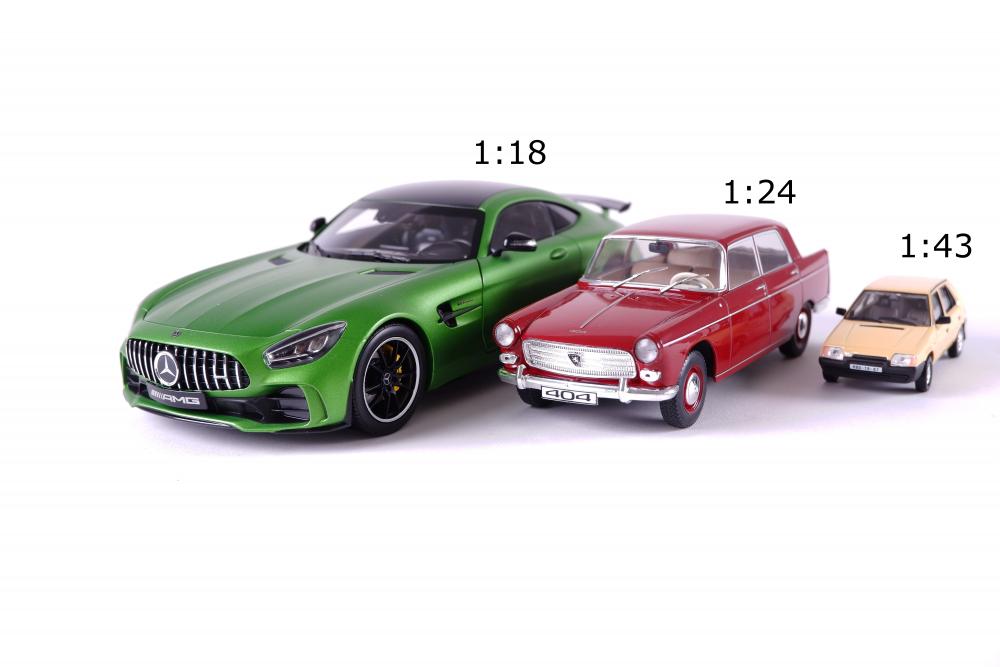
A die-cast car’s scale represents the ratio between the model and the real vehicle. For example, a 1:18 scale model means the miniature car is eighteen times smaller than the actual vehicle. Likewise, a 1:64 scale model is sixty-four times smaller than the real car. The smaller the second number, the larger and more detailed the model will be.
Why Scale Matters
Choosing the right scale influences your overall collecting experience. Larger models usually offer more realistic details, opening parts, and premium finishes, while smaller models are affordable, require less storage space, and are easier to collect in large numbers. Understanding this balance helps you select the ideal scale based on your budget and available display space.
Popular Die-Cast Car Scales Explained
Best for Serious Collectors
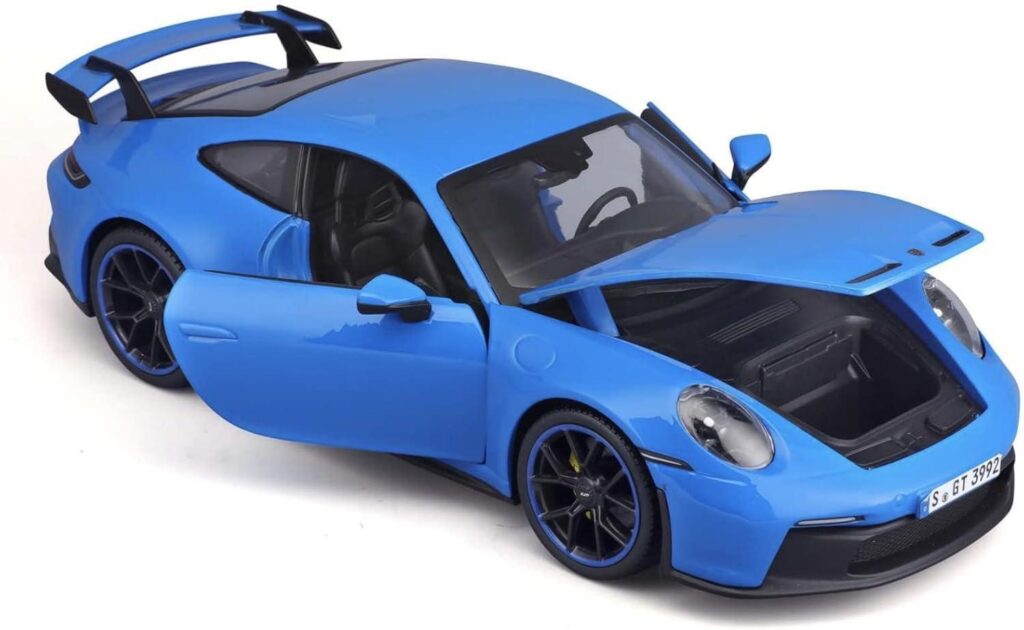
The 1:18 scale is one of the most popular choices among experienced collectors. These large models often include opening doors, hoods, trunks, realistic engine bays, detailed interiors, working steering, and rubber tires. Because of their impressive craftsmanship, they are ideal for display cabinets and photography. Although they are generally more expensive, they offer exceptional realism and long-term collectible value.
Best For:
- Premium collectors
- Display enthusiasts
- Automotive photography
- Detailed model lovers
Comparison of Popular Die-Cast Car Scales
| Scale | Detail Level | Display Space | Price | Best For |
|---|---|---|---|---|
| 1:18 | Excellent | Large | Premium | Serious collectors |
| 1:24 | Very Good | Medium | Moderate | Beginners & collectors |
| 1:32 | Good | Medium | Affordable | Kids & hobbyists |
| 1:43 | Very Good | Small | Moderate | Racing & classic car collectors |
| 1:64 | Good | Very Small | Budget-friendly | Large collections |
How to Choose the Right Die-Cast Scale
Consider Your Budget
Your budget plays a major role when selecting a die-cast scale. Larger models typically cost more because they include additional parts, intricate detailing, and premium materials. If you’re just starting your collection, smaller scales like 1:43 or 1:64 offer excellent value and allow you to expand your collection more quickly.
Think About Display Space
Before purchasing multiple die-cast cars, consider where you plan to display them. Large 1:18 models require spacious shelves or display cabinets, while 1:64 cars can fit comfortably in compact display cases. Choosing the right scale ensures your collection remains organized and visually appealing.
Decide Your Collecting Goal
Some collectors focus on realism and craftsmanship, while others enjoy owning as many different models as possible. If you prefer highly detailed replicas, larger scales are the better choice. If you enjoy collecting vehicles from different manufacturers and eras, smaller scales provide greater variety at a lower cost.
Which Scale Offers the Best Detail?
Larger Scales Win
When it comes to realism, 1:18 models offer the highest level of detail. Many include functional steering, opening components, accurately recreated engines, suspension systems, and luxurious interiors. These features make them the preferred choice for dedicated collectors and automotive enthusiasts.
Smaller Scales Still Impress
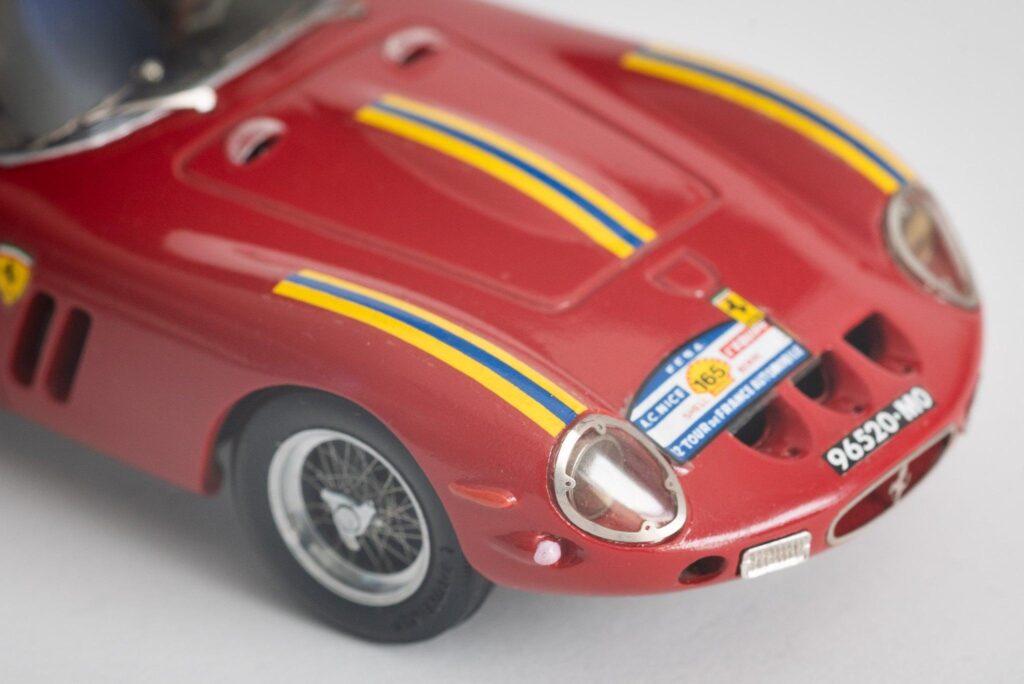
Modern manufacturing techniques have significantly improved the quality of smaller die-cast cars. Premium 1:43 and 1:64 models now feature sharp paint finishes, detailed wheels, accurate decals, and realistic proportions. They deliver excellent quality while remaining affordable and easy to display.
Common Mistakes to Avoid
- Buying without checking the scale.
- Ignoring available display space.
- Choosing price over build quality.
- Mixing scales without a display plan.
- Purchasing counterfeit models from unreliable sellers.