

The popularity of die-cast car collecting has grown rapidly over the years, and so has the market for counterfeit models. Fake die-cast cars are often designed to look like authentic collector’s items, making it difficult for beginners to identify the difference. Purchasing a counterfeit model can result in poor quality, lower resale value, and disappointment for collectors. Here is the brief detail for Spot Fake Die-Cast Cars Before Buying
Fortunately, by knowing what to look for, you can avoid fake die-cast cars and invest in genuine, high-quality collectibles. This guide will help you identify authentic models by examining their packaging, craftsmanship, materials, and seller credibility before making a purchase.
Why Fake Die-Cast Cars Are Becoming More Common
Growing Demand Among Collectors
As die-cast collecting becomes increasingly popular, rare and limited-edition models have become highly desirable. This demand has encouraged counterfeit manufacturers to produce fake versions that resemble original models. Many of these copies are sold online at attractive prices, making them tempting for unsuspecting buyers. Understanding the market helps collectors stay alert and avoid costly mistakes.
Higher Profits for Counterfeit Sellers
Counterfeit die-cast cars are often made using cheaper materials and lower manufacturing standards. Sellers can produce them at a fraction of the cost while advertising them as premium collectibles. Because some buyers cannot easily distinguish between genuine and fake models, these replicas continue to circulate in the market. Purchasing only from trusted sources is one of the best ways to reduce this risk.
Check the Packaging Carefully
Look for Official Branding
Authentic die-cast cars come with professionally designed packaging that includes official manufacturer logos, model names, licensing information, and product details. Counterfeit packaging may contain spelling mistakes, blurry printing, incorrect logos, or poor-quality graphics. Comparing the packaging with images from the manufacturer’s official website can help identify inconsistencies before buying.
Inspect the Quality of the Box
Original manufacturers use sturdy boxes with premium printing and protective inserts to keep the model safe. Fake products often arrive in thin cardboard boxes with faded colors, damaged corners, or poorly fitted plastic windows. High-quality packaging is usually a good indication that the die-cast model inside is genuine.
Examine the Build Quality
Paint Finish and Body Details
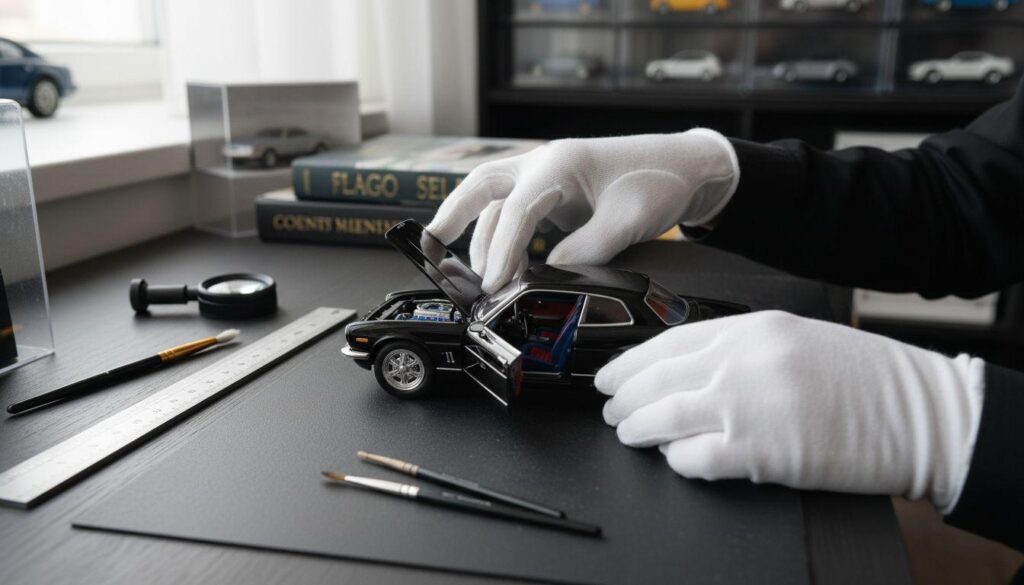
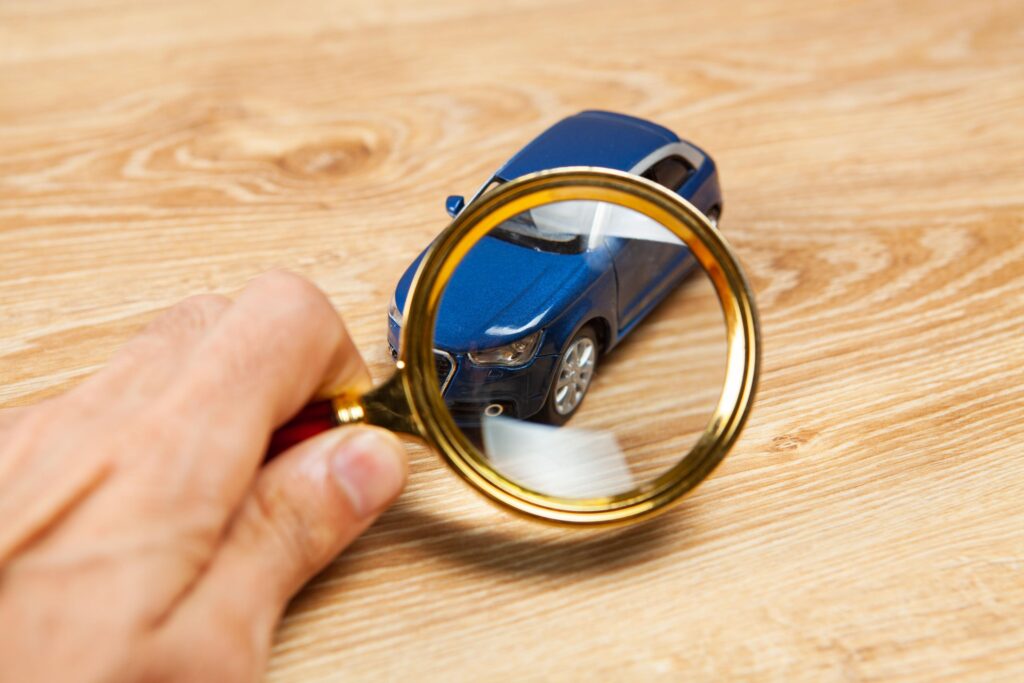
A genuine die-cast model features smooth paint, accurate colors, and clean panel lines. There should be no visible glue marks, uneven paint, or rough edges. Fake models often have inconsistent paint finishes, poorly aligned decals, and noticeable imperfections. Close inspection of the exterior can reveal many signs of a counterfeit product.
Interior and Engine Details
Premium die-cast cars include realistic interiors, dashboards, seats, steering wheels, and detailed engine compartments. Counterfeit versions often simplify these features or use low-quality plastic parts. If the interior appears overly plain or lacks realistic detailing, it may not be an authentic collectible.
Verify Manufacturer Information
Check the Manufacturer’s Logo
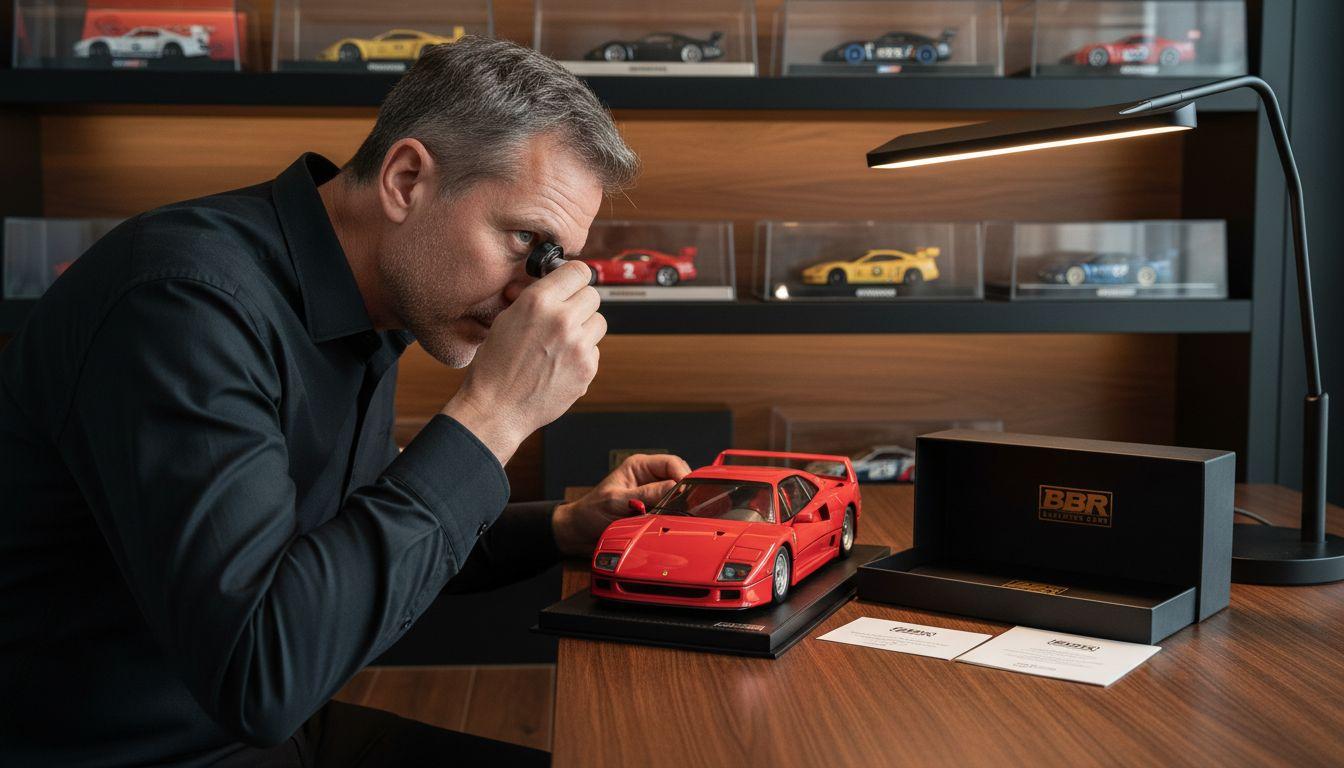
Well-known die-cast brands clearly display their logo on the packaging and often on the underside of the model. Counterfeit versions may use altered logos, incorrect fonts, or missing branding altogether. Always compare the markings with official product images to ensure they match.
Look for Product Numbers
Authentic die-cast models usually include product numbers or serial numbers on the packaging and base of the vehicle. These numbers can often be verified through the manufacturer’s catalog or website. Missing or incorrect product codes should be treated as warning signs.
Inspect the Underside of the Model
Check Engraved Information of Fake Die-Cast Cars Before Buying
Most genuine die-cast cars have clean engravings on the base showing the manufacturer, scale, production details, and licensing information. Fake models may have shallow, blurry, or incomplete engravings. Carefully examining the underside is one of the easiest ways to verify authenticity.
Verify the Scale
Authentic models accurately match their advertised scale, such as 1:18, 1:24, or 1:64. Counterfeit versions may have incorrect proportions or inconsistent dimensions. Comparing the model with official specifications can help confirm whether it is genuine.
Common Red Flags to Watch For
Missing Original Packaging
Collectors generally keep the original packaging because it adds value. While a missing box doesn’t always mean the model is fake, it should encourage additional inspection before purchasing.
Poor Customer Reviews
Multiple complaints about fake products, damaged items, or misleading descriptions are clear warning signs. Reading reviews from previous buyers can help you avoid unreliable sellers.
No Return Policy
Reputable retailers usually offer return or refund policies. Sellers who refuse returns or provide very little product information should be approached with caution.